
Core Knowledge (CKLA) K-8
Offers detailed curricular guidance and materials in Reading/Language, Math, Science, Social Studies, and the Arts.
Little Minds at Work PK-2
Guided Phonics + Beyond is a thorough curriculum that covers phonemic awareness, word mapping, dictation, word chaining, and decodables in every lesson
Zearn:
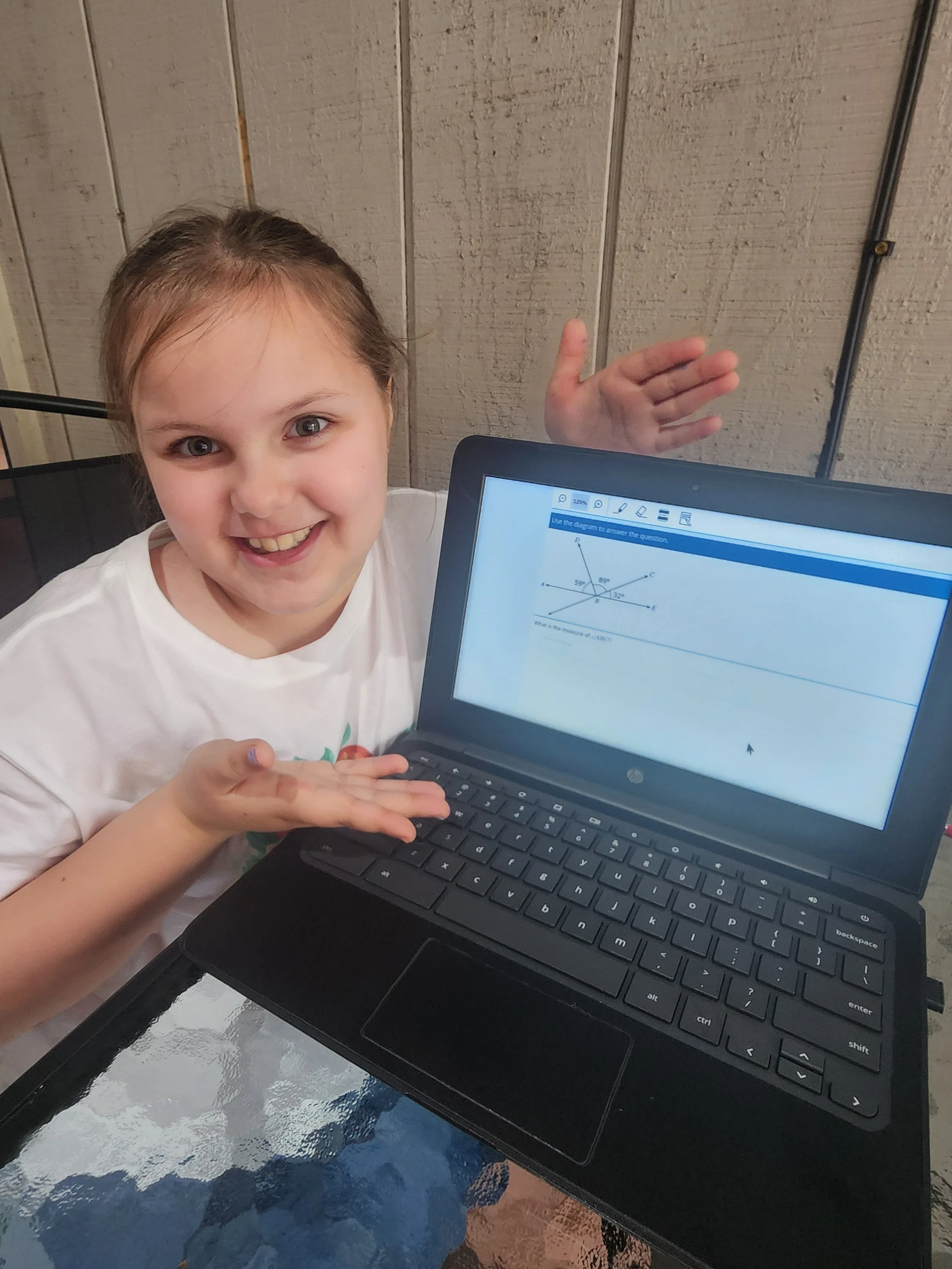
Zearn Math is an adaptive K-8 learning platform that guides students through daily opportunities to explore, persevere and break through in grade-level learning
Splash Learn:
SplashLearn is a game-based and curriculum-aligned learning experience for math and English. It offers over 8,000 learning games, activities and printable worksheets for Preschool and Kindergarten to Grade 5. SplashLearn also offers live classes for both math and English by experienced and certified teachers.
A Comprehensive K-8 Curriculum: Core Academics, Interventions, Arts Integration and STEAM.
Every student receives a Personalized Learning Pathway tailored to their strengths, passions, and needs.
Students work at their own pace, on their own levels.
Institute for Arts Integration and STEAM
Arts Integration and STEAM Education (Science, Technology, Engineering, the Arts, and Mathematics) that connects every subject and is standards aligned and project-based.
Entrepreneurship for Kids
Venture Lab fun, hands-on activities, students discover the entrepreneurial process, while gaining valuable skills and building confidence.
StarFall
Starfall activities are research-based and align with state learning objectives for English language arts and mathematics. Its emphasis on phonemic awareness, systematic sequential phonics, and common sight words in conjunction with audiovisual interactivity is especially effective for teaching emergent readers, children of all ages with special needs or learning difficulties, as well as ELL (ESL) students.
Generation Genus
Generation Genius is an online educational resource that provides science, math and ELA videos, lesson plans, and activities for students in K-8.
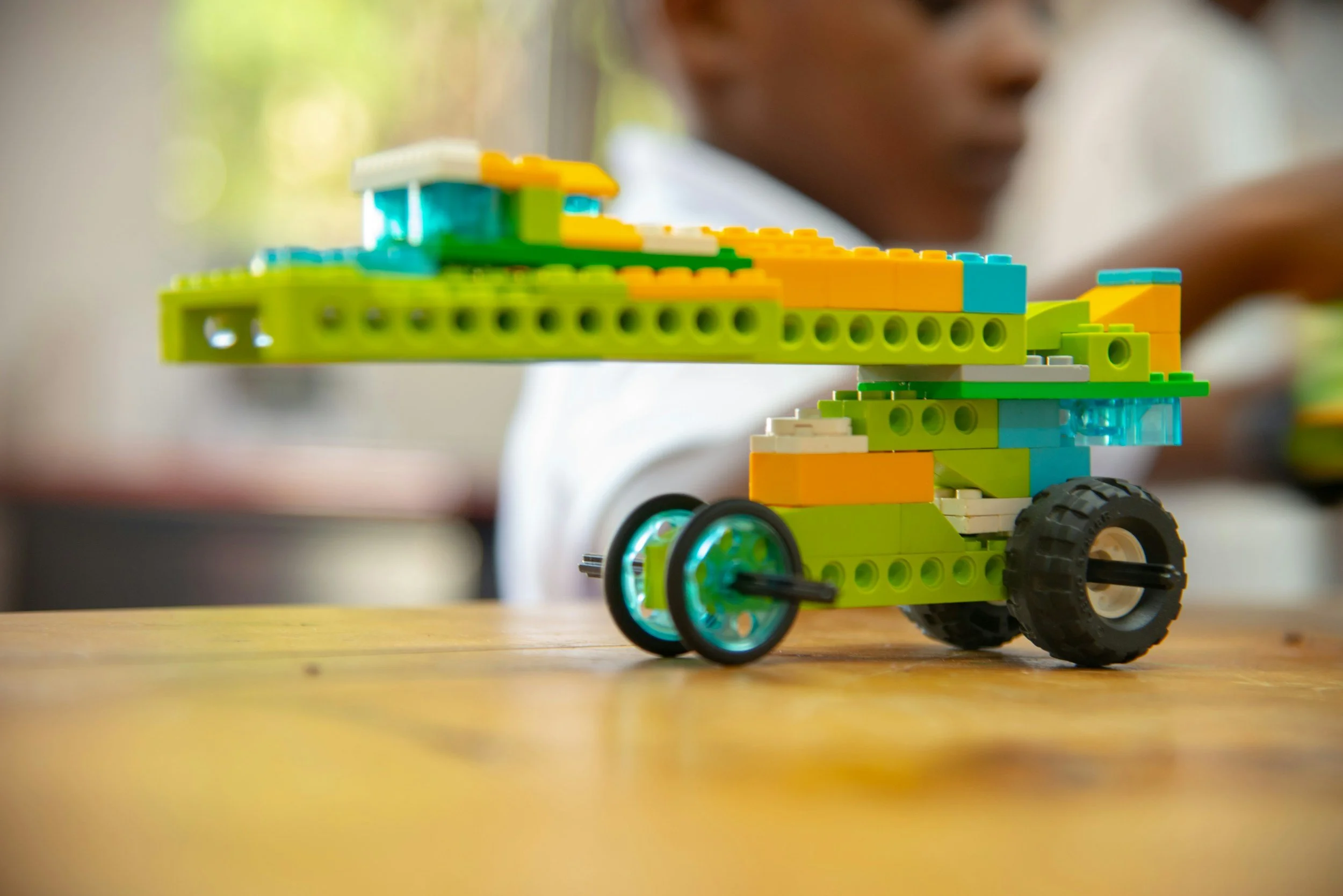
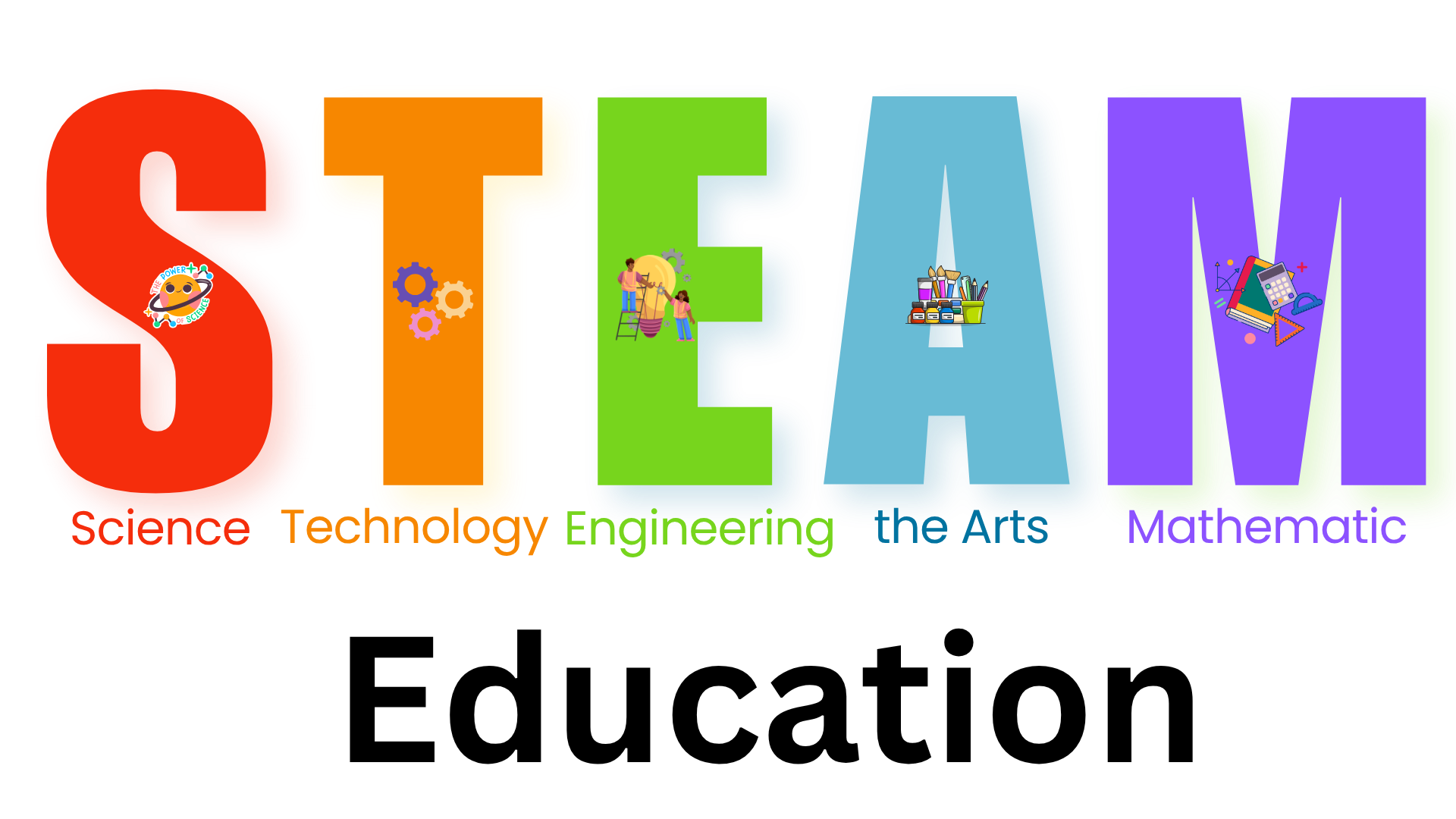
STEAM Education is an approach to learning that uses Science, Technology, Engineering, the Arts, and Mathematics as access points for guiding student inquiry, dialogue, and critical thinking.
Using STEAM education results in students who take thoughtful risks, engage in experiential learning, persist in problem-solving, embraces collaboration, and work through the creative process. These are the innovators, educators, leaders, and learners of the 21st century!
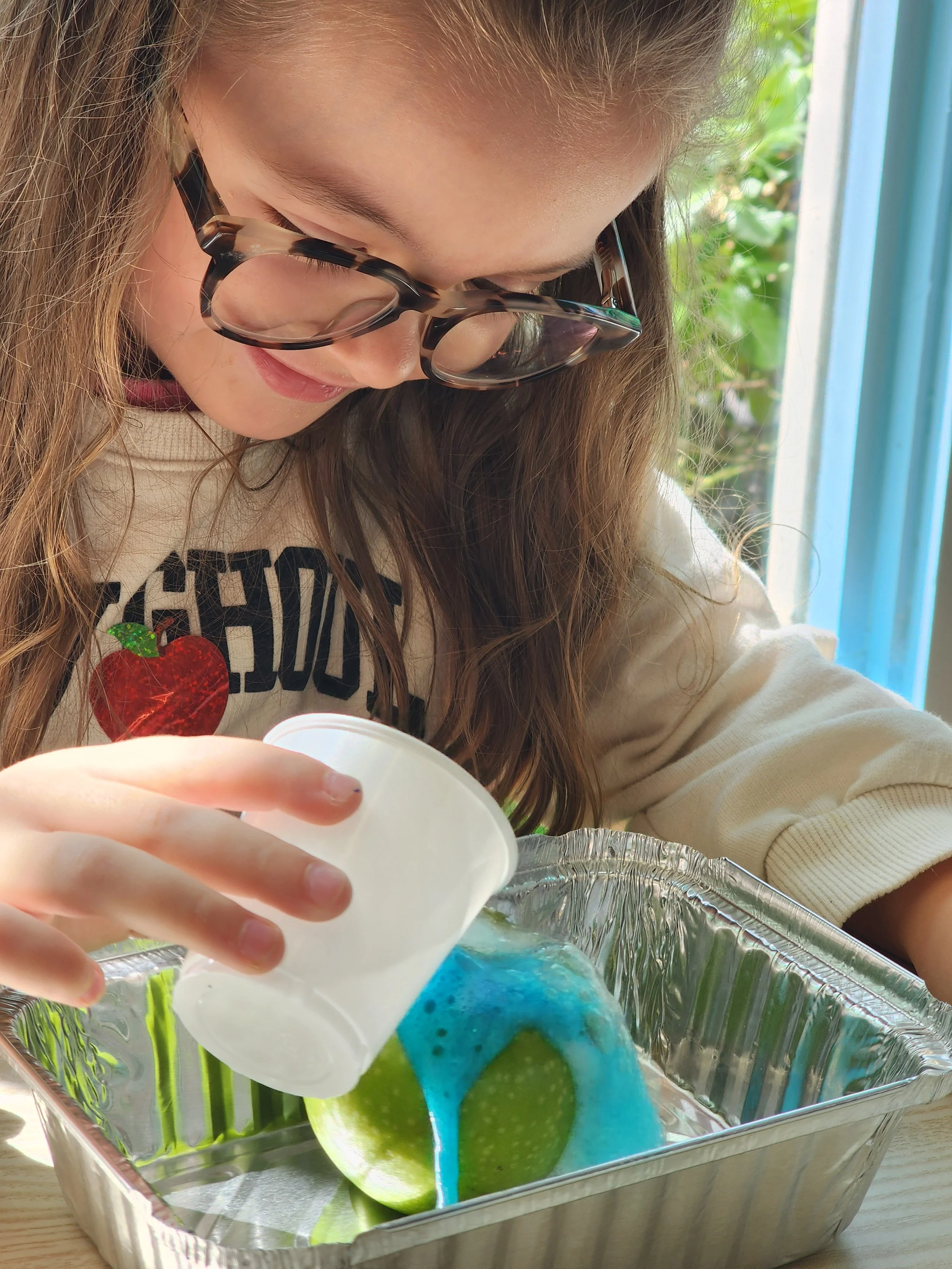
Arts Integration and STEAM: Learning in 3D
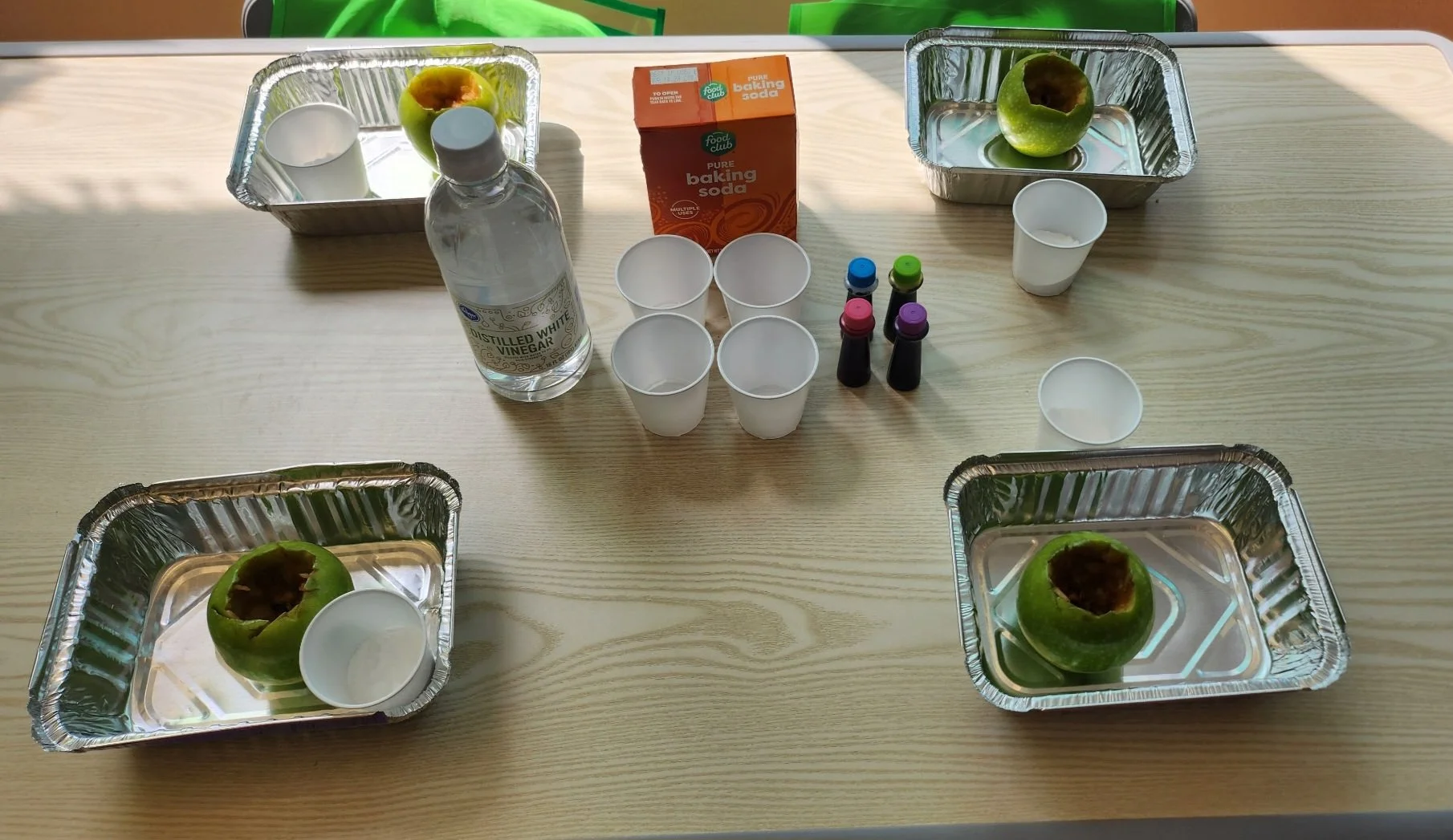
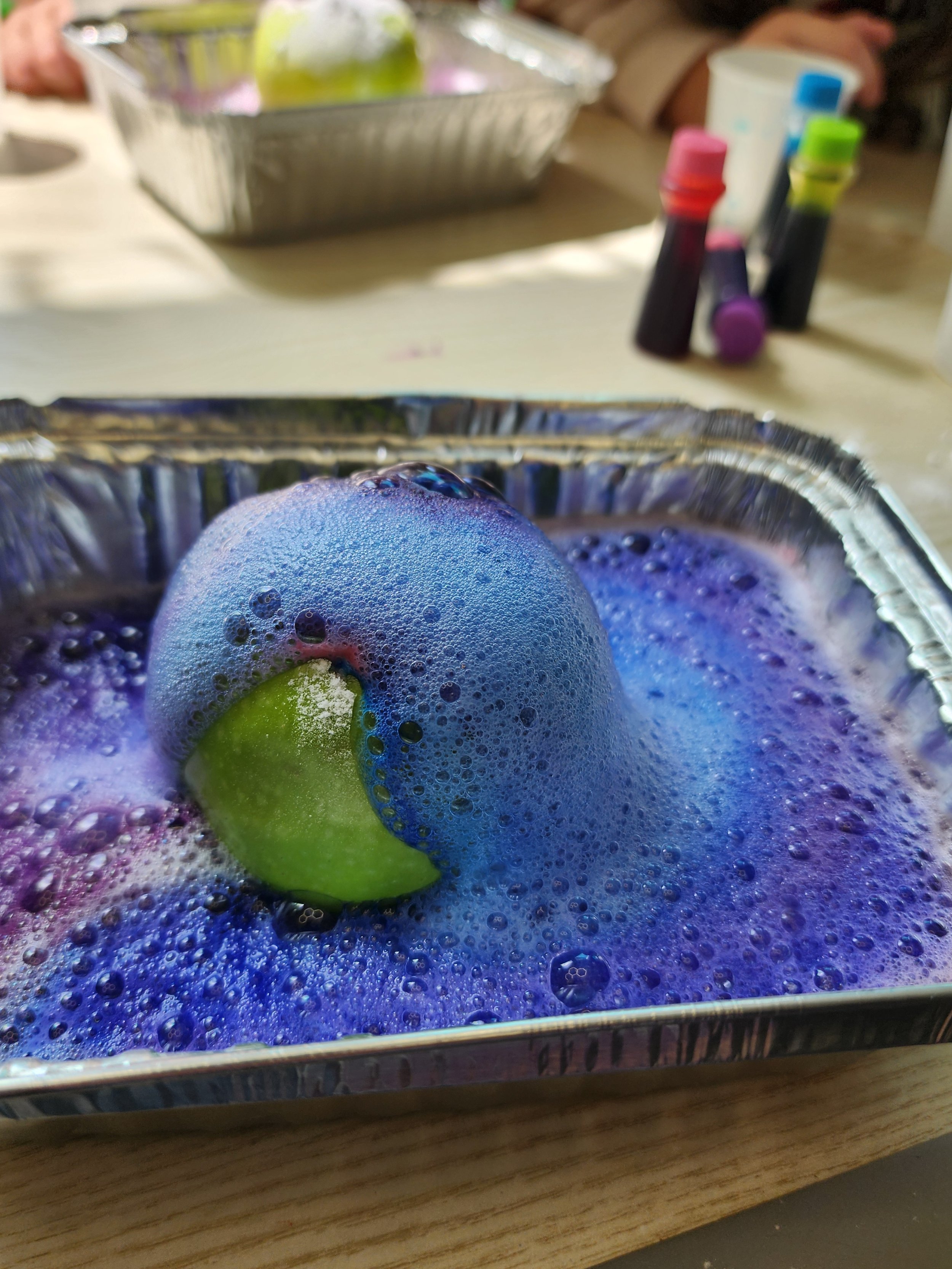
At Amma Mountain Academy, we don’t believe that science happens only in a lab or that art belongs strictly in a studio. The real world doesn’t live in separate boxes, and neither do our students.
By weaving Arts Integration and STEAM (Science, Technology, Engineering, the Arts, and Mathematics) into the very fabric of our microschool, we transform standard lessons into hands-on, deeply memorable adventures that spark curiosity and a lifelong love for learning.
What This Looks Like in Our Classrooms
Instead of just sitting at desks or memorizing facts from a textbook, our young learners use their whole brains—and their hands—to explore the world. Here is how these frameworks come alive every day:
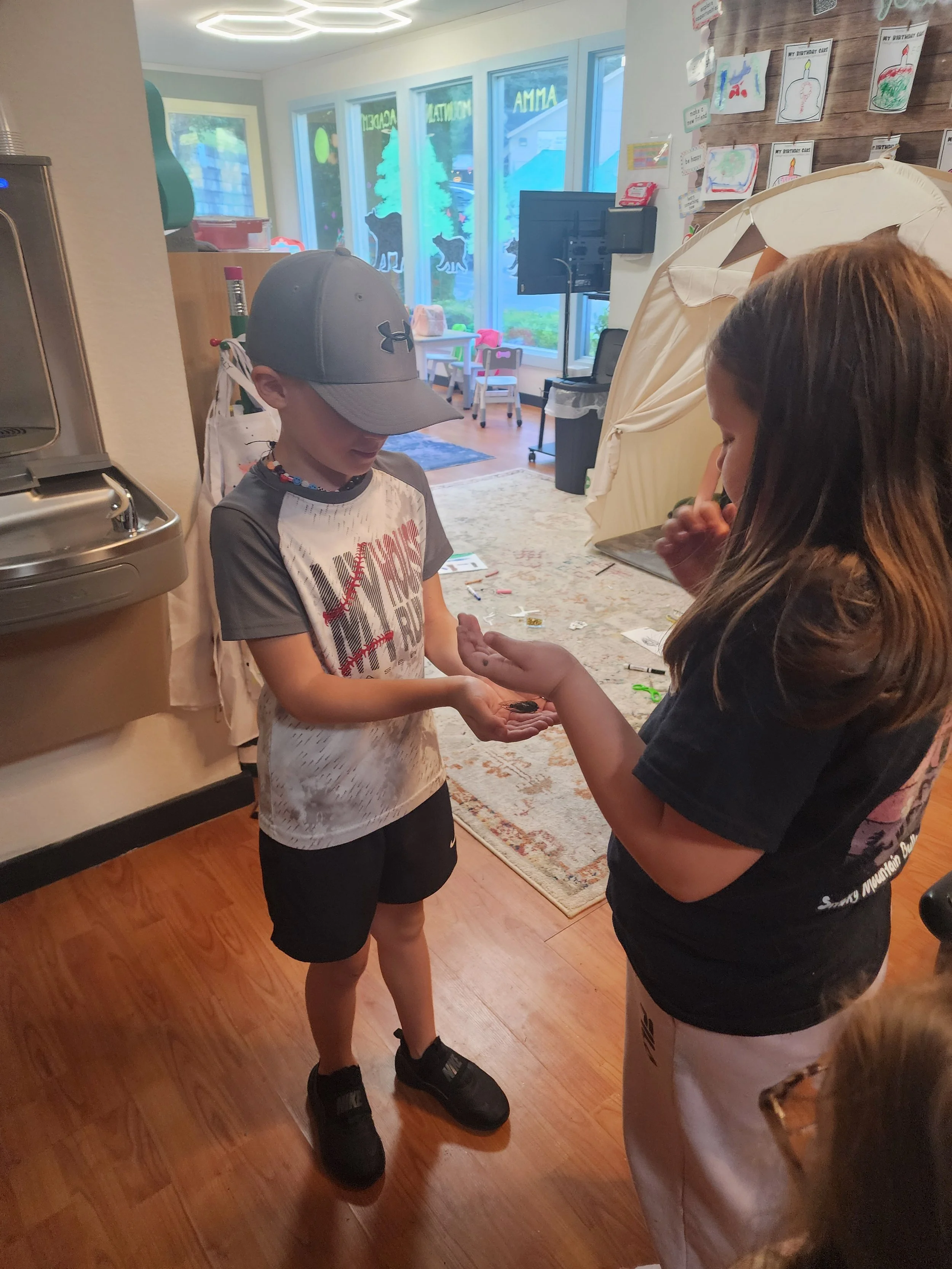
Science You Can Touch & Hear: A lesson on local wildlife doesn't stop at a picture book. Our students might study mountain birds, use simple math to measure wingspans, use instruments to mimic their calls, and sculpt clay nests to understand how animals build their homes.
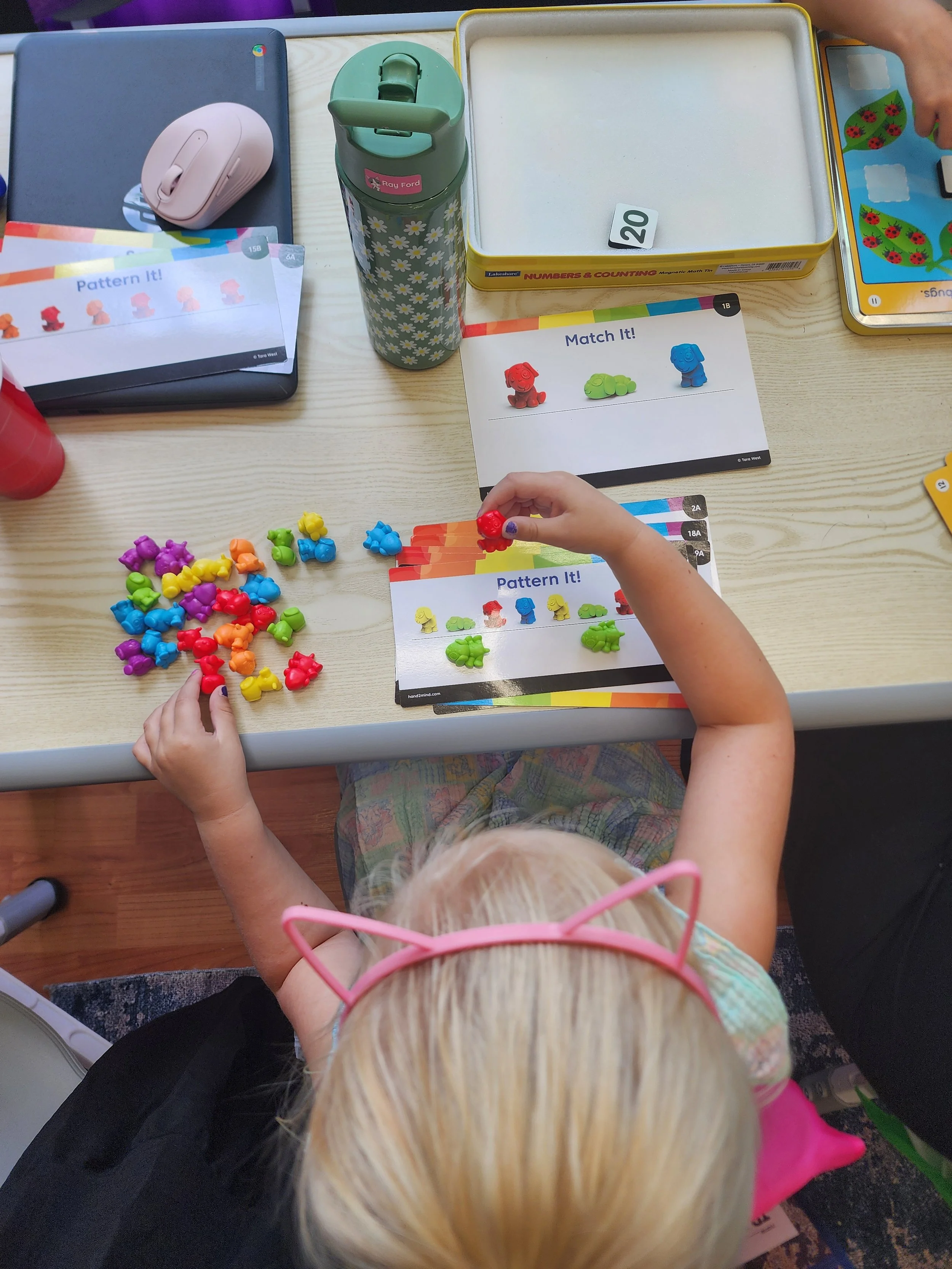
Math and Engineering Through Play & Design: When learning about shapes, balance, or weight, our students become mini-engineers. They might build bridges out of blocks and craft sticks to see how much weight they can hold, practicing counting and measuring while discovering the beauty of design and architecture.
Reading and Social Studies Coming to Life: To deeply understand a story or a historical event, students don’t just write summaries. They step inside the narrative by putting on reader's theater plays, painting colorful murals of habitats they are studying, or composing simple songs to remember important concepts.
Why This Matters for Your Child
When the arts are woven into science and math, learning feels like a discovery, not a chore. Children who might feel intimidated by numbers find a welcoming doorway through creative expression. Meanwhile, our natural artists discover how beautifully their talents connect to logic and building.
In these foundational years, we aren't just teaching subjects; we are nurturing problem-solvers. We are teaching children how to think critically, collaborate with friends, and see the interconnected wonder of the world around them.
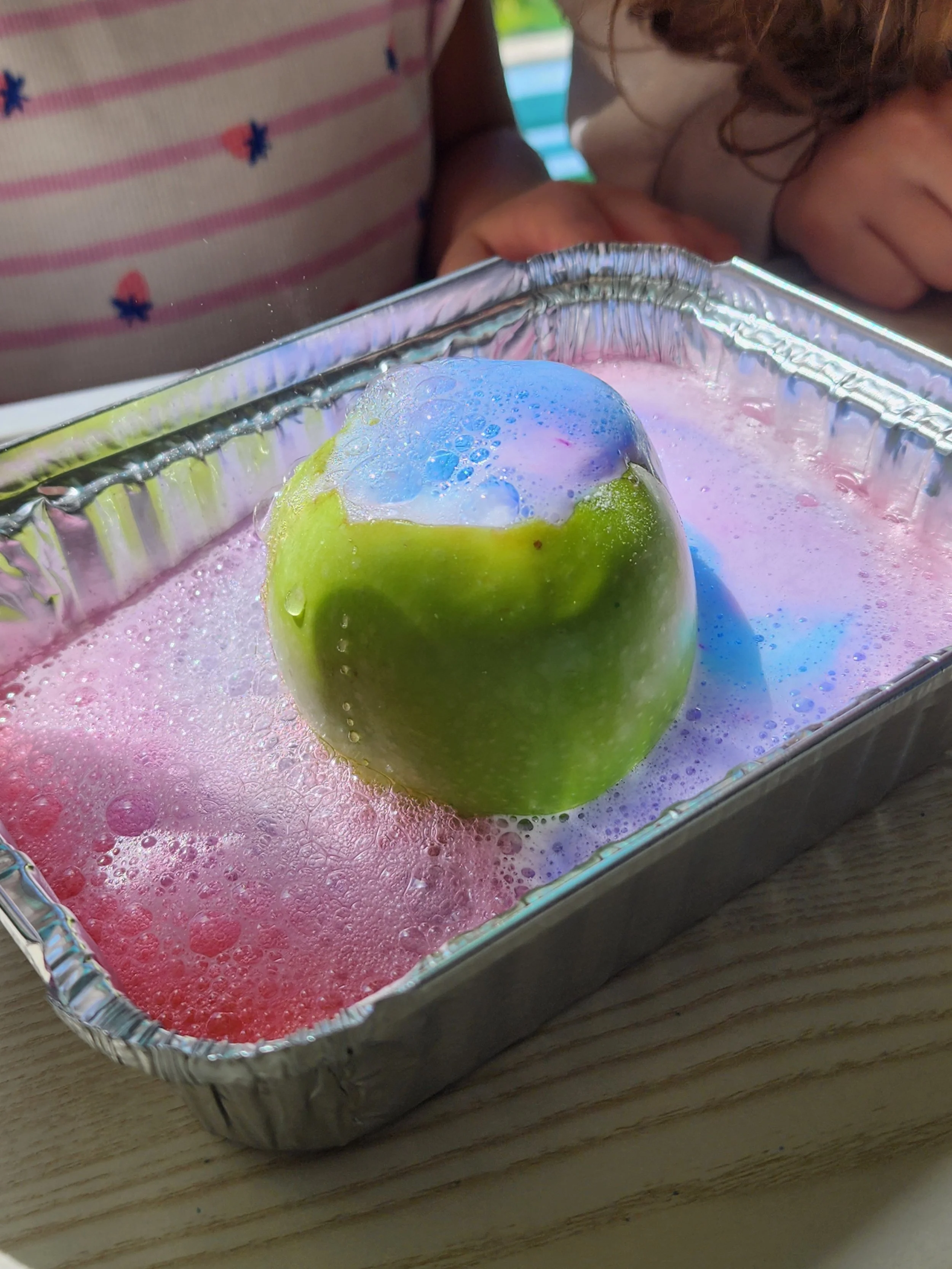
Welcome to A Day in the Life at Amma Mountain Academy
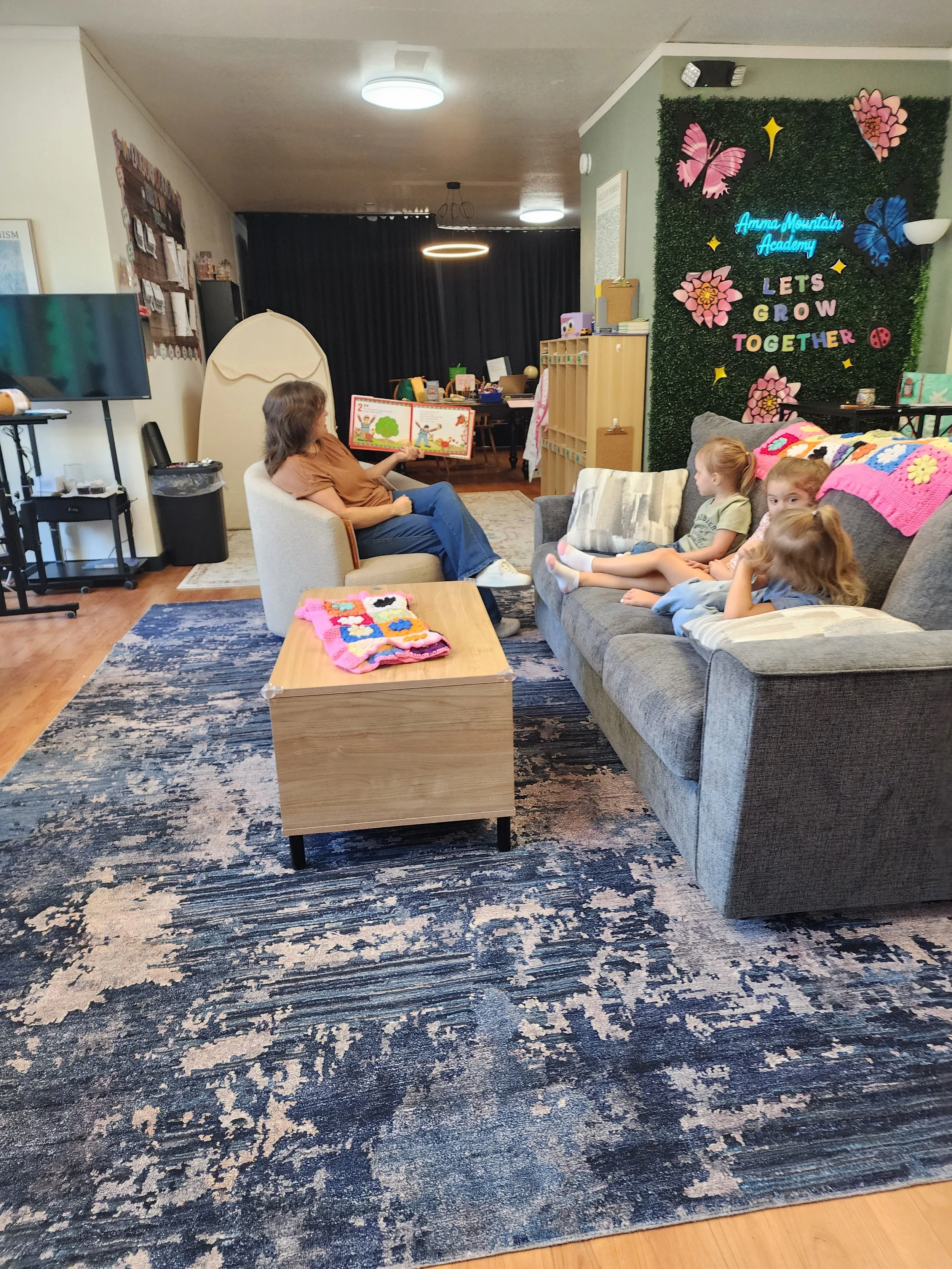
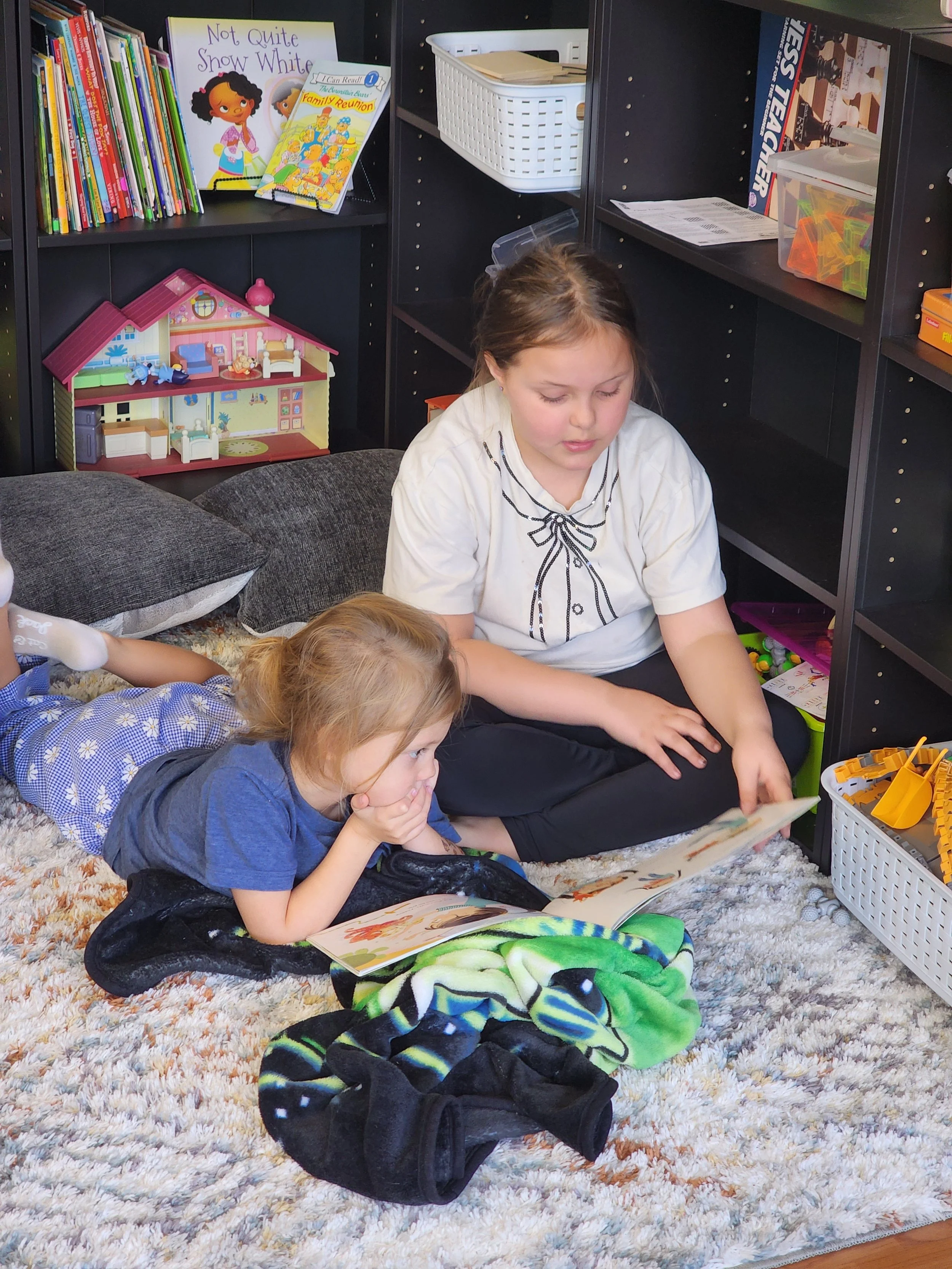
Here, learning is never a passive experience. Everyday, our scholars engage in a vibrant mix of hands-on discovery, creative arts integration, and rigorous STEM projects designed to light up their curiosity and deepen their understanding.
At Amma Mountain Academy, we are building an environment where theoretical concepts meet real-world creation. Whether our learners are applying engineering design principles during stem and build challenges, exploring mathematical concepts through interactive artistic expression, or diving into collaborative project-based investigations, their enthusiasm is front and center.
Below, you’ll find a glimpse into the work our students have created this year—a portfolio of their critical thinking, artistic exploration, and joyful problem-solving in action.
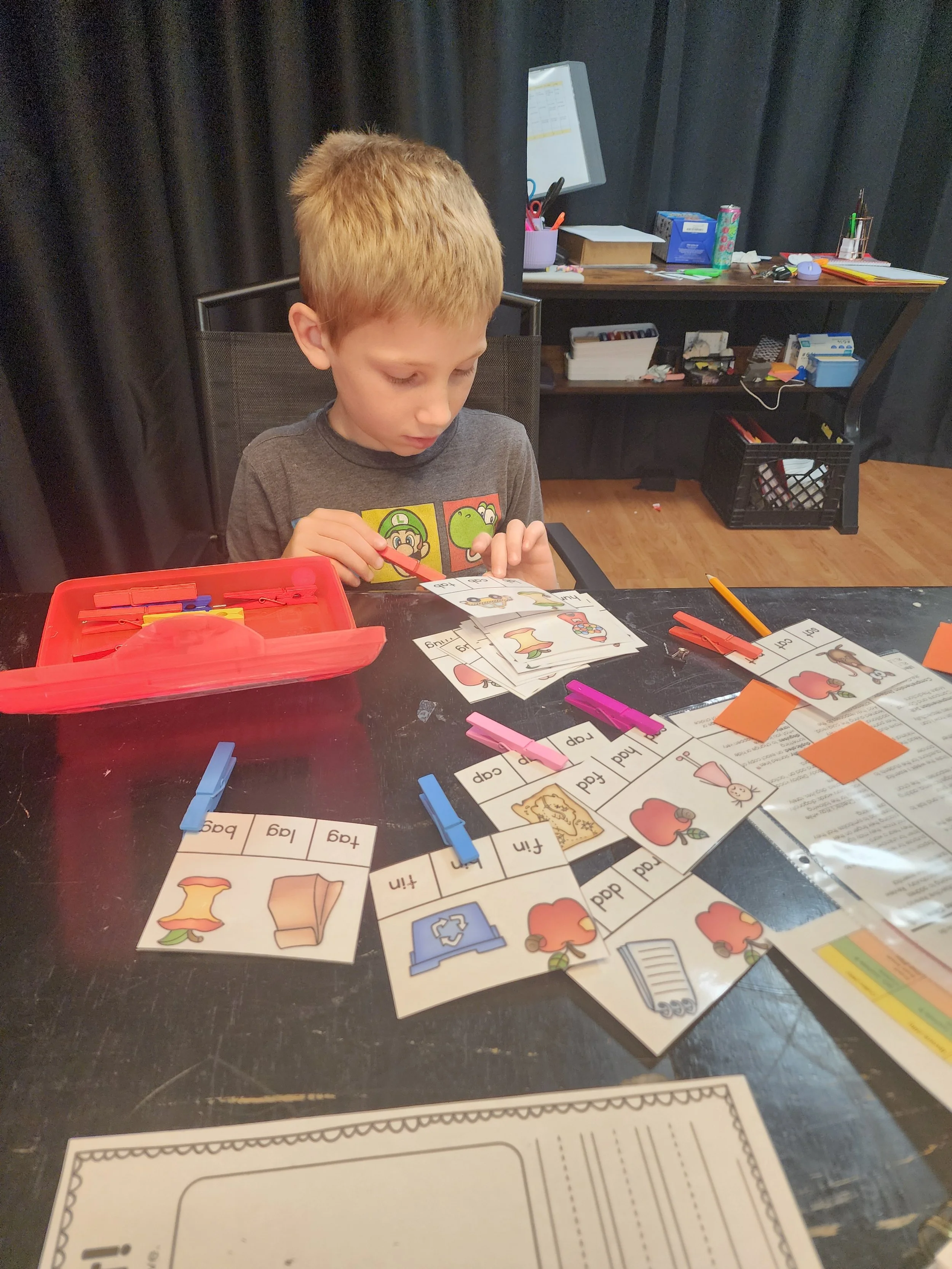
What Does Hands-On Learning Look Like
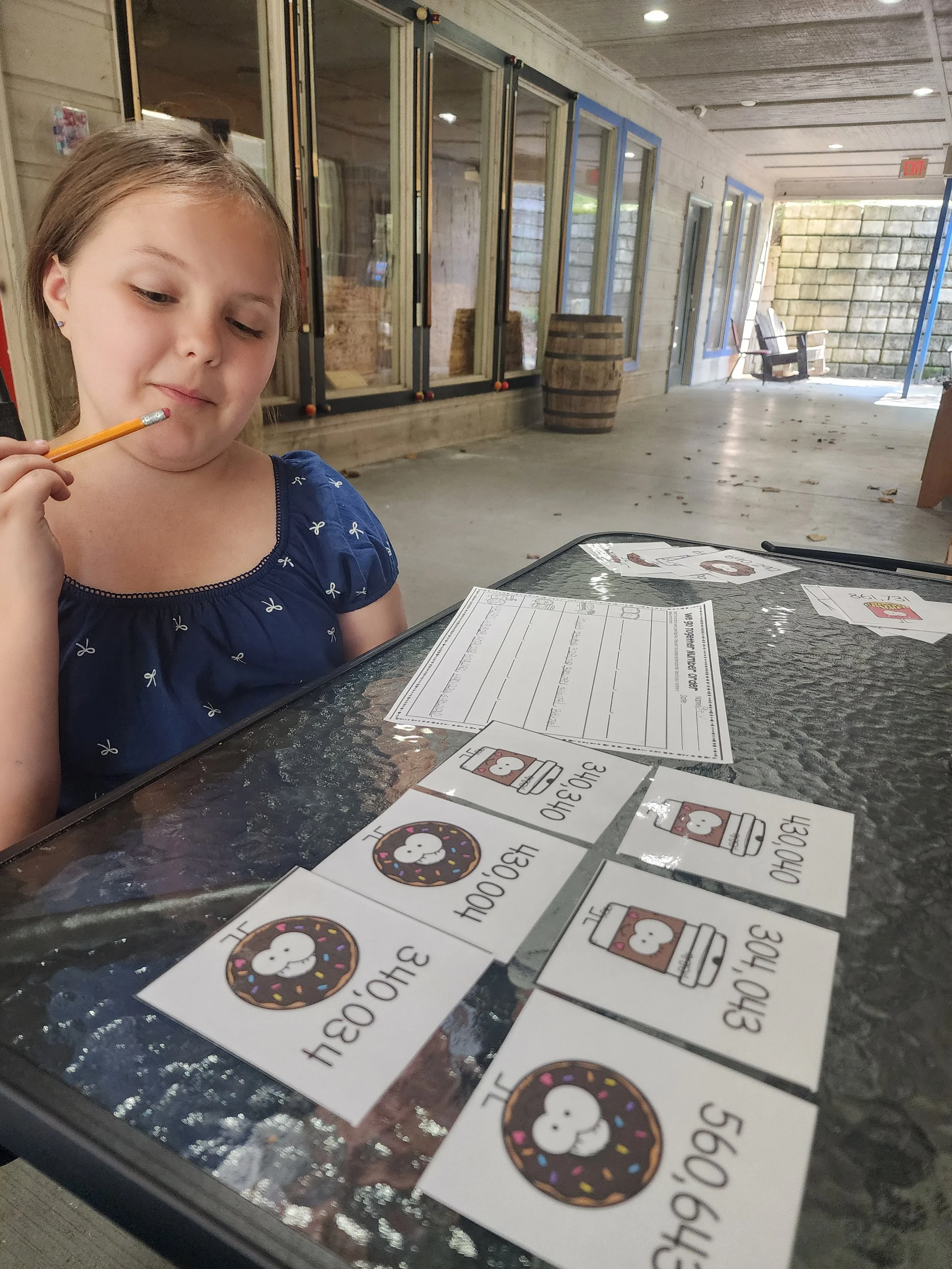
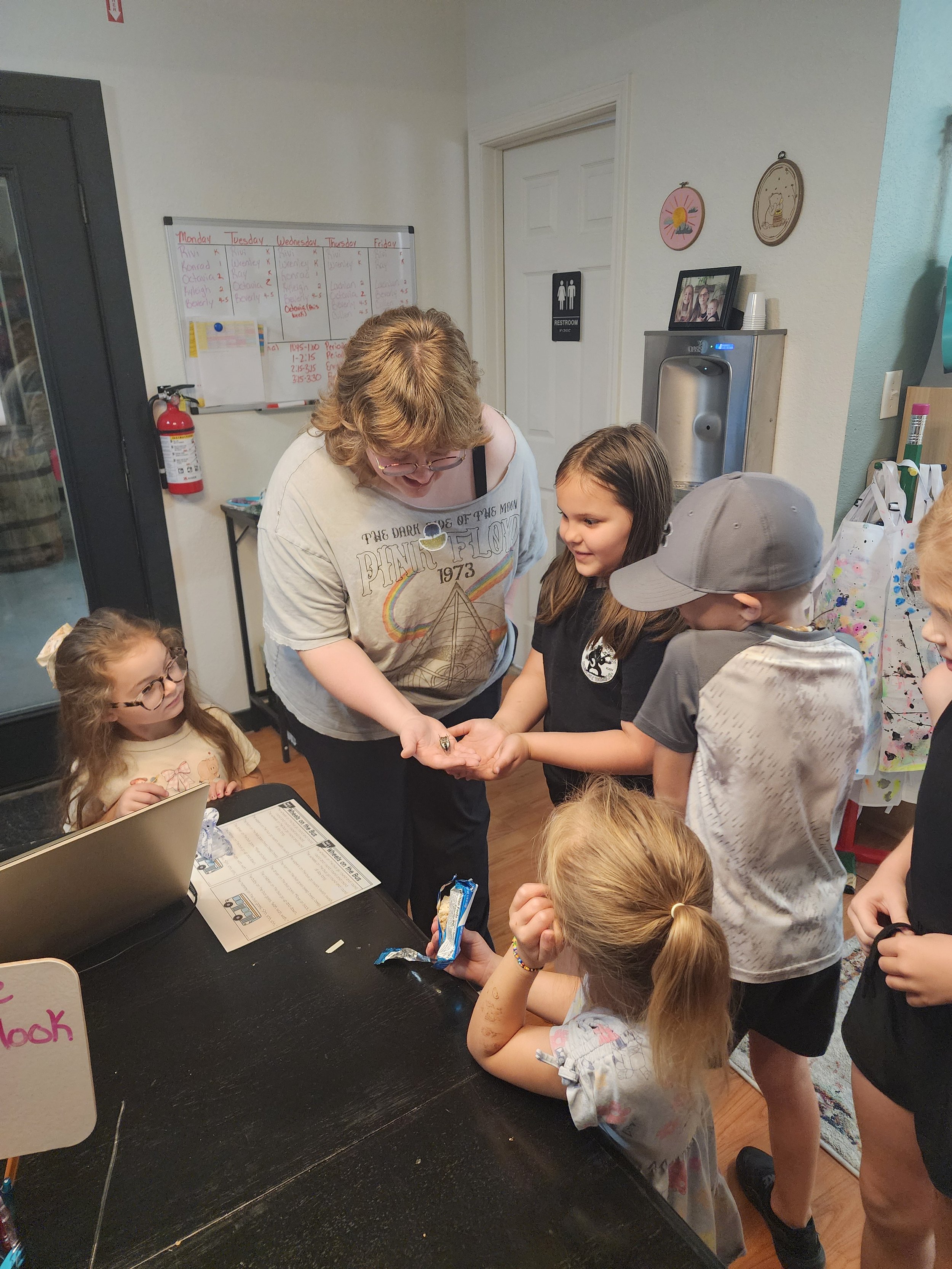
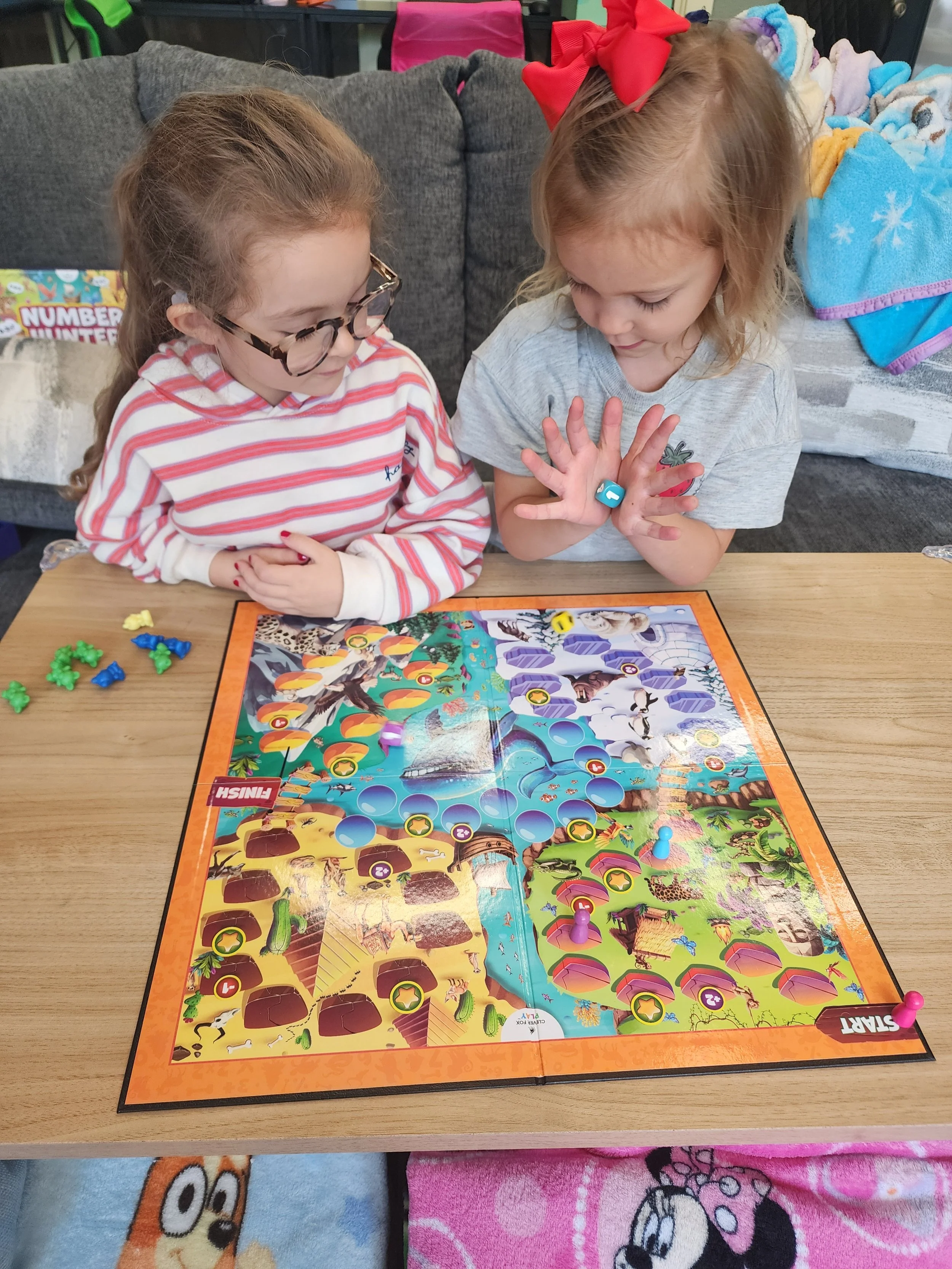
Hands-on learning shifts students from passive listeners to active creators and investigators. Instead of reading about a concept in a textbook or listening to a lecture, learners manipulate physical objects, experiment with materials, and directly test their ideas in real time.
Core Elements of a Hands-On Classroom
Direct Manipulation: Students use physical tools—such as counting blocks, circuit kits, art supplies, or measuring scales—to grasp abstract mathematical, scientific, or artistic concepts.
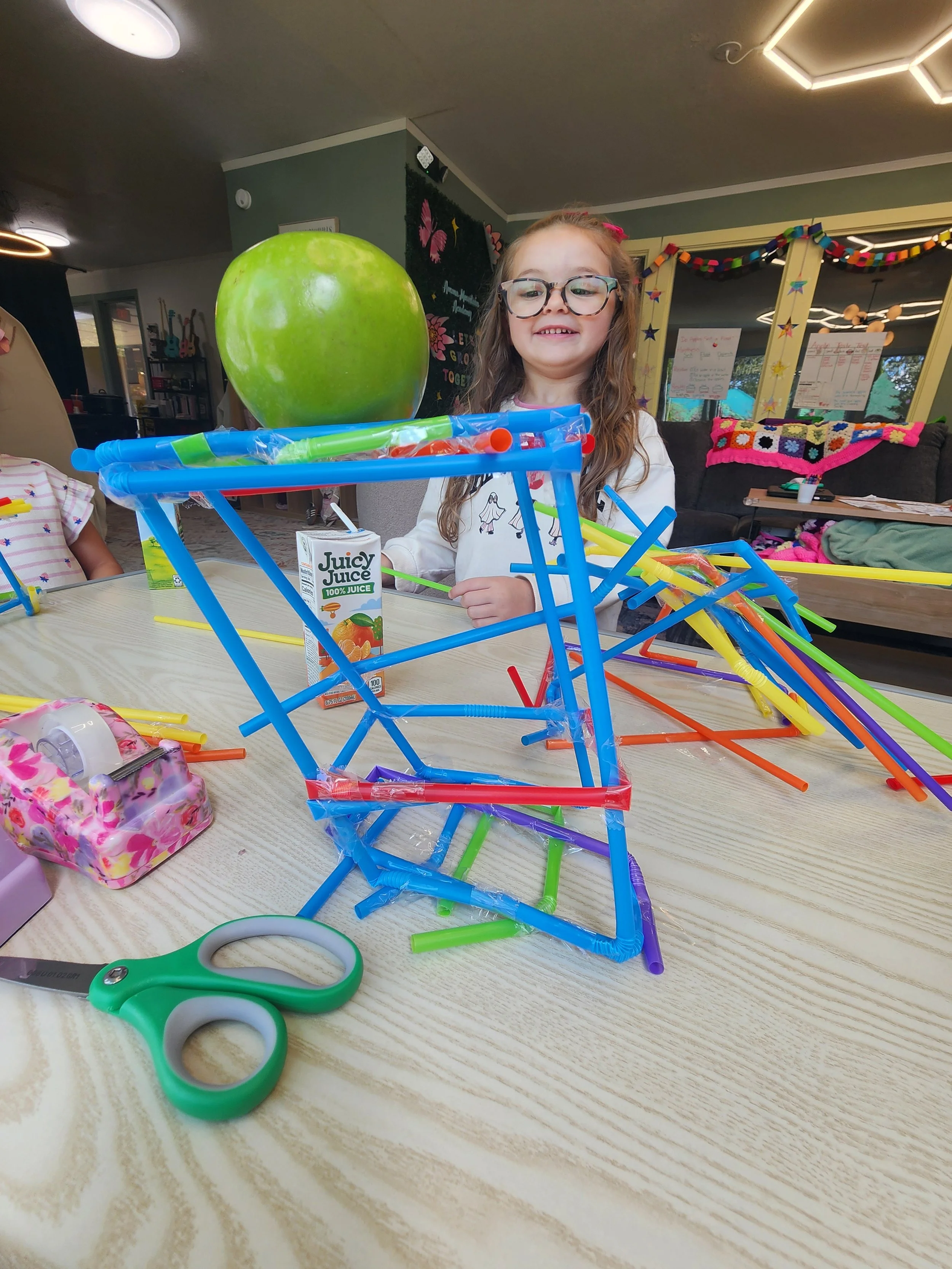
Trial and Error: Learning happens through testing hypotheses, making mistakes, and adjusting strategies (e.g., re-engineering a tower made of straws so it can support weight).
Sensory Engagement: Activities involve touch, movement, and visual observation, which helps strengthen neural pathways and long-term memory retention.
Collaborative Problem-Solving: Students work in small groups, communicating their reasoning, sharing responsibilities, and reflecting on outcomes together.
Why This Matters for Your Child
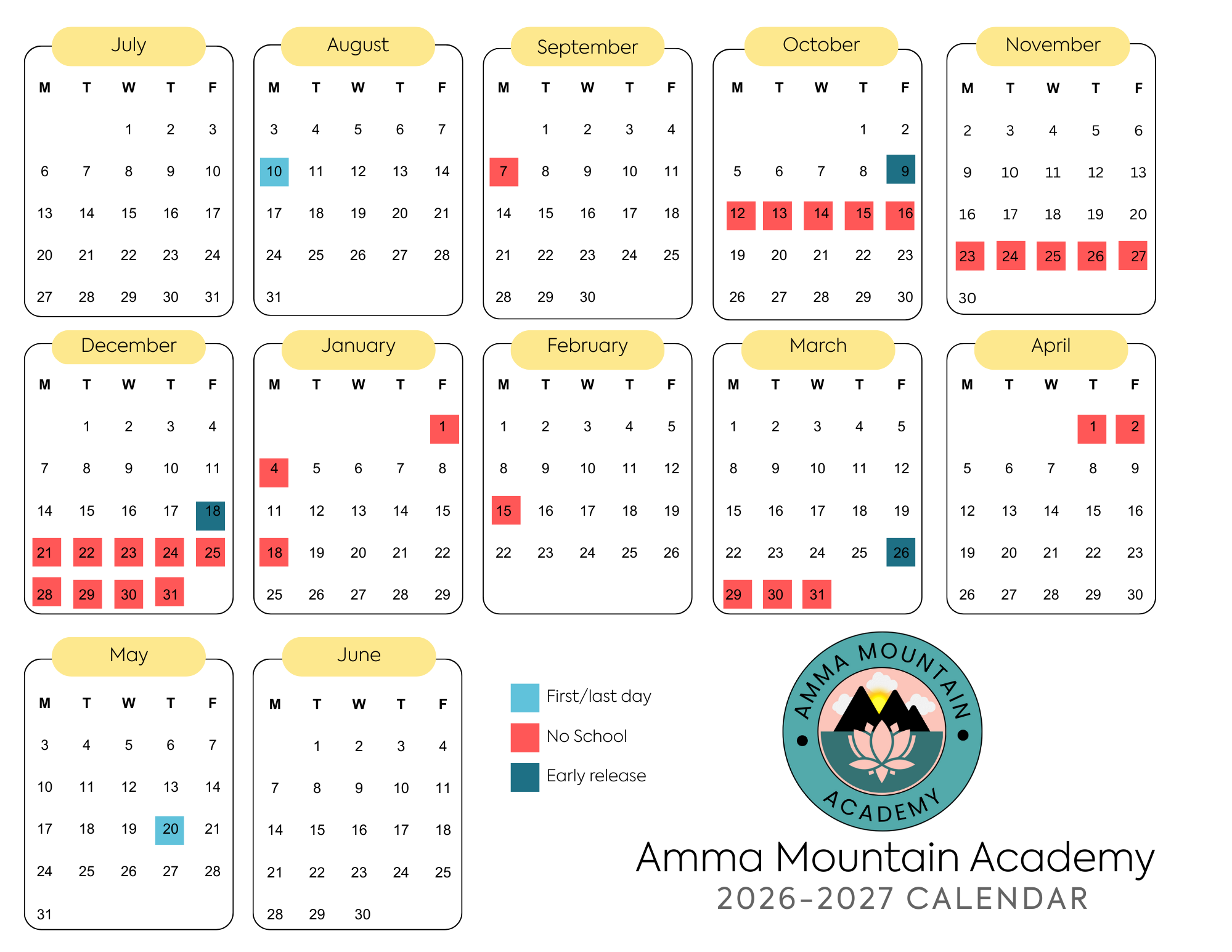
Ready to register or want more information? Fill in the form below and a member of Amma Mountain Academy will be in touch!