
What is a Micro School?
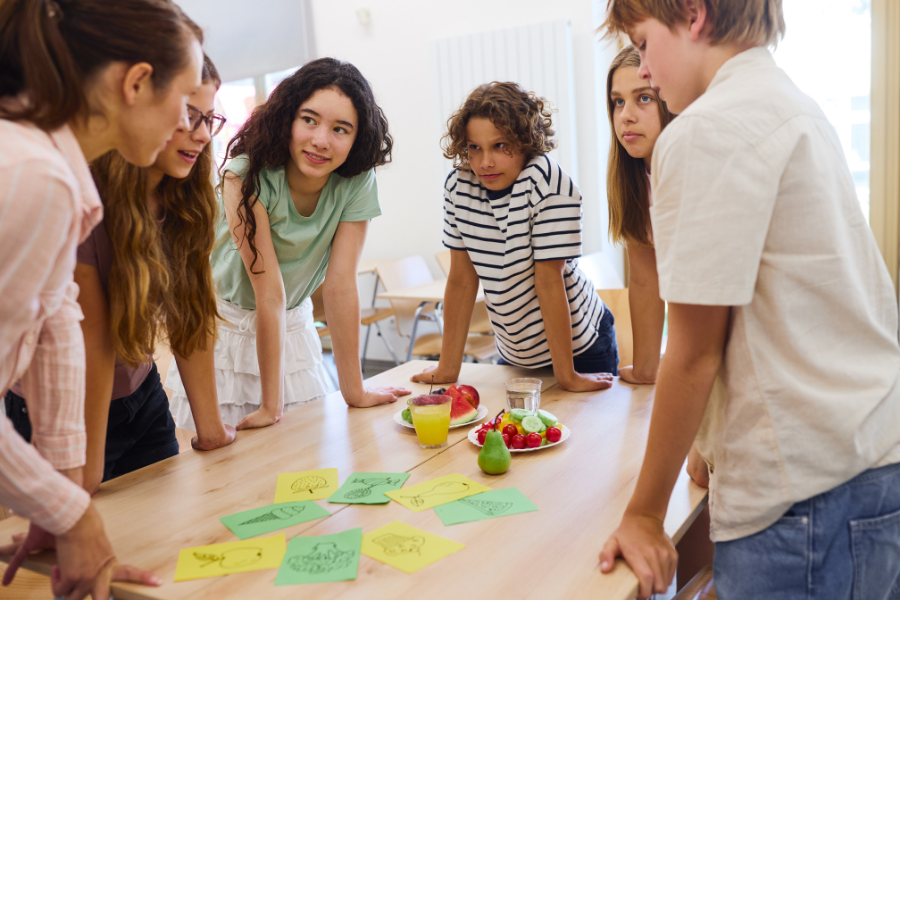
Small group learning is a game changer for education.
Finding the right educational fit for your child can feel like navigating a maze with no exit. You may have heard the term “microschool” popping up all over social media and wondered if it’s just a new buzzword or a genuine alternative to the traditional classroom.
At its core, a Microschool is a modern reimagining of the classic one-room schoolhouse, designed to meet the needs of the 21st century learner. Here is a breakdown of what makes this model so unique and why it is becoming the preferred choice for many families.
Small by Design
The most defining feature of a Microschool is its size. Unlike traditional schools with hundred or thousands of students, with an where from 15-30 students per classroom, microschools typically serve smaller groups, often fewer than 15 to 20 students total. This intimate setting ensures that no child is ever just a number. It allows for deep, meaningful relationships between students and educators, creating a community where every voice is heard and valued.
Personalized, Not Standardized
In today’s world, teachers are often forced to teach to the middle, leaving some students bored and others struggling to keep up. Microschools flip this script. By utilizing individualized instruction and 1 to 1 support, learning is tailored to a student’s specific strengths, interests, and pace. Whether a student is racing ahead in math or needs extra time with a literature unit, the curriculum bends to fit the child, not the other way around. This also leaves room for small group or one on one tutoring when students are struggling on any given topic/standard.
Holistic and Hands-On Learning
Microschools often move away from the “sit in a desk” model of lecturing and standardized testing. Instead, they lean more into alternative seating arrangements with a focus on Project-Based Learning (PBL) and Hands on Learning.
Imagine a school day where mornings are dedicated to core academics (Math, Science, Reading, and Social Studies), and afternoons are spent engaging in STEM challenges, passion projects, arts and crafts, or connecting with the local community. For example, at Amma Mountain Academy, our students will be able to work with local artisans such as Smoky Mountain Bullet Banjos, where they will get to hand build a single string cigar box banjo. Which they will then learn to play!
Flexibility for Modern Families
Many microschools operate as “hybrid” models. This is particularly beneficial for homeschool families or those using online programs who want the social and academic benefits of a classroom without the rigid five day a week strict schedule. It offers the best of both worlds, the freedom of personalized education with the support of licensed educators and peer interaction. With this model, it allows for flexible open door attandance policies. For example, at Amma Mountain Academy, there is no penalty for “absences.” Students can come as much or as little as your contract plan allows. No more truancy worries!
Focus on the Whole Child
Because the environment is so close-knit, microschools can prioritize social-emotional learning along side academics. Success is not just measured by a test score; it’s measured by a child’s resilience, empathy, and their blossoming love for discovery. The goal is to nurture the soul and the mind equally.
Is a Microschool Right for You?
If you are looking for an environment where your child’s individuality is celebrated, where nature and community are part of the curriculum, and where the goal is for every student to truly love to learn, then a microschool might be the path you’ve been looking for.
Education should be as unique as the student. By shrinking the school size, we can expand the possibilities for what a child can achieve.
In the world of traditional education, the bell is the dictator of daily life. If you’re five minutes late, you’re "tardy." If you have a family opportunity on a Tuesday, you’re "truant." For decades, we’ve forced unique, multi-faceted children into a rigid 8:00 AM to 3:00 PM box, regardless of how they actually learn or what their families actually need.
At Amma Mountain Academy, we’re breaking the box. We operate on an Open Door Policy, and it’s one of the things that makes our microschool model so transformative.